How Do Public Adjusters Help On Roof Claims? What Property Owners Should Know About Their Commercial Hail Damage Claims in Texas and Oklahoma
THE TAKEAWAYS
- Commercial hail claims are more complex than they appear, often involving multiple roofing systems, tenant considerations, and a significant financial impact on property value.
- The size of hail required to cause damage depends heavily on the roofing material, as well as the age and condition of the roof at the time of the storm.
- Many claims are denied not because damage doesn’t exist, but because it is improperly documented or not aligned with the insurance policy.
- Relying solely on a roofer to handle both the claim and repairs can lead to missed coverage opportunities and underpaid settlements.
- A public adjuster helps structure, document, and negotiate the claim to ensure it is presented correctly and maximized under the policy.
Hailstorms are a routine part of life in Texas and Oklahoma, particularly across the Dallas–Fort Worth metroplex. What is less routine is how commercial property owners respond after a storm. The decisions made in the first few days often determine whether a claim is paid properly or becomes a prolonged dispute. At True View Commercial, our Public Adjusters hear from property owners and investors who have tried a myriad of claims settlement approaches... and most leave significant amounts of money on the table.
For owners of multifamily properties, strip centers, office buildings, and mixed-use developments, hail damage is rarely just a roofing issue. It is a financial event that affects asset value, tenant relationships, and long-term maintenance costs. Understanding how these claims work and who should represent your interests is critical. There is also a professional relationship aspect because most property owners have a roofer that they have historically trusted to make ongoing repairs. O
In this blog, we break down how hail impacts commercial roofs, why claims are often denied, and why many property owners choose to work with a public adjuster rather than relying solely on a contractor.
The Reality of Hail in the Dallas–Fort Worth Market and Beyond
Hail is not an occasional concern in Texas and Oklahoma. It is a defining weather pattern that directly impacts commercial property ownership, particularly across the Dallas–Fort Worth metroplex. These two states sit in what is commonly referred to as “Hail Alley,” a region where atmospheric conditions consistently produce some of the most severe hailstorms in the world.
Texas, in particular, leads the nation in hail activity year after year. In 2025 alone, the state recorded over 900 hail events involving stones at least one inch in diameter, which is the threshold for what the National Weather Service classifies as “severe” hail. Oklahoma, while smaller in size, still ranks among the top states nationally, regularly experiencing hundreds of severe hail events annually. For property owners in both states, this level of frequency means exposure is not hypothetical. It is ongoing and predictable.
The timing of these storms is also consistent. The majority of hail events occur during the spring months, with peak activity between April and June. In many parts of Texas, more than three-quarters of all hailstorms happen within a relatively short window from March through May. This concentrated season creates a recurring cycle of damage, inspections, and insurance claims, particularly for owners of multifamily and commercial investment properties. What makes this region especially challenging is not just how often hail occurs, but the size and intensity of the storms. Hailstones as small as one inch in diameter can already cause measurable damage to roofing systems, especially on aging materials. As hail increases in size to golf ball or baseball dimensions, the potential for serious structural impact rises significantly. In Texas, it is not unusual to see storms produce hail between two and four inches in diameter, and in extreme cases, even larger. These are not marginal weather events. They are high-impact storms capable of affecting entire commercial portfolios in a single afternoon.
The financial implications reflect this severity. Texas alone sees hundreds of millions of dollars in hail-related property damage each year, and nationally, insurers pay out billions annually on hail claims. For commercial property owners, especially those managing strip centers, apartment complexes, or mixed-use developments, a single storm can represent a substantial capital event. Whether that loss is fully recovered through insurance often depends less on the storm itself and more on how the claim is handled afterward.
There is also evidence that hail activity has become more volatile in recent years. Some years show significant spikes in storm frequency, reinforcing the idea that property owners in this region must be prepared for variability, not just averages. The underlying reason for this sustained risk lies in the geography of Texas and Oklahoma. Warm, moisture-rich air from the Gulf of Mexico collides with dry air from the west and cooler systems from the north. This combination creates ideal conditions for supercell thunderstorms, which are the primary producers of large, damaging hail.
For commercial property owners, the takeaway is straightforward. Hail in Texas and Oklahoma is not rare, and it is not minor. It is a recurring, high-severity risk that requires a disciplined approach to both property maintenance and insurance claim management.
Types of Commercial Roofs and How Hail Affects Them
Not all commercial roofs respond to hail in the same way, and one of the most common mistakes property owners make is assuming that hail damage is universal across all systems. In reality, the type of roofing material, along with its age and condition, plays a significant role in how susceptible it is to impact. A newer, well-maintained roof may withstand a storm that causes immediate functional damage to an older system just next door. This is where experienced public adjusters, like the team at True View Commercial, bring measurable value. By identifying the specific roof type, conducting detailed on-site inspections, taking impact measurements, and correlating findings with third-party hail data and storm maps, they can help determine the approximate size and intensity of hail that struck the property. Understanding how different commercial roofing systems perform under hail conditions is critical when evaluating damage, supporting an insurance claim, and ultimately determining whether a loss is legitimate and recoverable under the policy.
Many of the commercial clients at True View Commercial own a broad portfolio of properties with varying roof compositions. The following provides a bried description of the most common roof types we see in Texas and Oklahoma, and the hail size they can withstand before damage occurs.
1. TPO and PVC (Single-Ply Membranes) Common on retail centers, office buildings, and warehouses.
- Vulnerability: Punctures, tears, and membrane weakening
- Hail impact:
- New roofs may require 1.5" to 2" hail for functional damage
- Aged or weathered membranes can be damaged by 1" hail or smaller
2. Modified Bitumen (Mod Bit) Common on older commercial buildings and multifamily properties
- Vulnerability: Surface cracking, granule loss, and fractures
- Hail impact:
- New systems: typically 1.5"+ hail
- Older systems: damage can occur at 1" or less due to brittleness
3. Built-Up Roofing (BUR) Layered asphalt systems often found on legacy properties
- Vulnerability: Hidden fractures beneath surface layers
- Hail impact:
- Damage can occur with relatively small hail if the system is aged
- Often difficult to identify without proper testing
4. Metal Roofing Systems Used on industrial, retail, and some mixed-use properties
- Vulnerability: Cosmetic denting and, in some cases, seam damage
- Hail impact:
- Cosmetic damage can occur with 0.75" to 1" hail
- Functional damage typically requires larger hail or seam compromise
5. Asphalt Shingles (Multifamily and Light Commercial) Common on apartment complexes and smaller commercial structures
- Vulnerability: Granule loss, bruising, and mat fractures
- Hail impact:
- New shingles: usually 1.25" to 1.5"+ hail
- Older shingles: can be damaged by hail under 1" due to deterioration
Why Roof Age and Condition Matter
One of the most misunderstood aspects of hail damage is the role of roof condition. As Public Adjusters, we often encounter adjuster meetings where carrier adjusters or roofers automatically assume that a particular roof type will only be damaged at a textbook hail size. The Certified Commercial Roofing Inspectors/Public Adjusters at True View Commercial are trained not only in assessing hailstone size, but in determining the pre-existing conditions that might lead to a roofing system being more or less susceptible to impacts from hailstones.
The reality is that two identical buildings with identical roofing system composition can experience the same storm and have very different outcomes if the roof ages are not the same.
- Newer roofs generally require larger hail to create functional damage
- Aged roofs become brittle, lose flexibility, and are more susceptible to smaller impacts
- Pre-existing wear can either complicate or support a claim, depending on how it is documented
This is where technical documentation becomes critical. Simply pointing to dents or marks is not enough. The claim must demonstrate that the hail caused functional damage, not just cosmetic issues or normal wear and tear.
Multifamily and Commercial Investment Properties: Higher Stakes
For investors, hail damage is not just a repair issue. It directly affects:
- Net operating income (NOI)
- Property valuation
- Tenant retention
- Financing and refinancing opportunities
A poorly handled claim can leave an owner absorbing hundreds of thousands of dollars in deferred maintenance or partial repairs that fail prematurely.
Strip malls, mixed-use developments, and apartment complexes also introduce complexity:
- Multiple roof sections with different materials
- Shared structures and drainage systems
- Tenant improvements and lease obligations
- Business interruption considerations
These are not simple “roof replacements.” They are multi-variable claims that require coordination and strategy.
Why Many Roof Claims Are Denied
Many commercial property owners assume that if hail damage exists, the insurance claim will follow naturally. In practice, a large percentage of commercial hail claims are either denied outright or significantly underpaid, often for predictable and avoidable reasons. Insurance carriers evaluate claims based on evidence, policy language, and technical standards, not just visible damage. Couple this with the possibility of the carrier adjuster being inexperienced in handling a complex, large loss, and you've got the possibility of an uphill battle in getting the claim approved.
Understanding the most common reasons claims fail can help property owners approach the process more strategically from the start.
1. Lack of Verifiable Storm Data
Carriers may argue that hail of sufficient size did not occur at the property location.
2. Damage Classified as Cosmetic
Particularly common with metal roofs. Cosmetic damage is often excluded from coverage.
3. Pre-Existing Conditions
If the carrier believes the roof was already deteriorated, they may attribute damage to wear and tear rather than hail.
4. Improper or Incomplete Documentation
Photos alone are rarely sufficient. Carriers expect testing, measurements, and technical support.
5. Contractor-Driven Narratives
When claims are presented informally or without policy alignment, they are easier to deny.
6. Missed Deadlines or Policy Conditions
Late reporting or failure to comply with policy requirements can jeopardize the claim entirely.
Each of these issues ultimately comes down to how the claim is prepared, supported, and presented. Without a structured approach that ties physical damage to policy coverage, even legitimate losses can be minimized or denied. This is where the role of a public adjuster becomes critical, bridging the gap between observed damage and what is actually recoverable under the insurance policy.
The Role of a Public Adjuster in Commercial Hail Claims
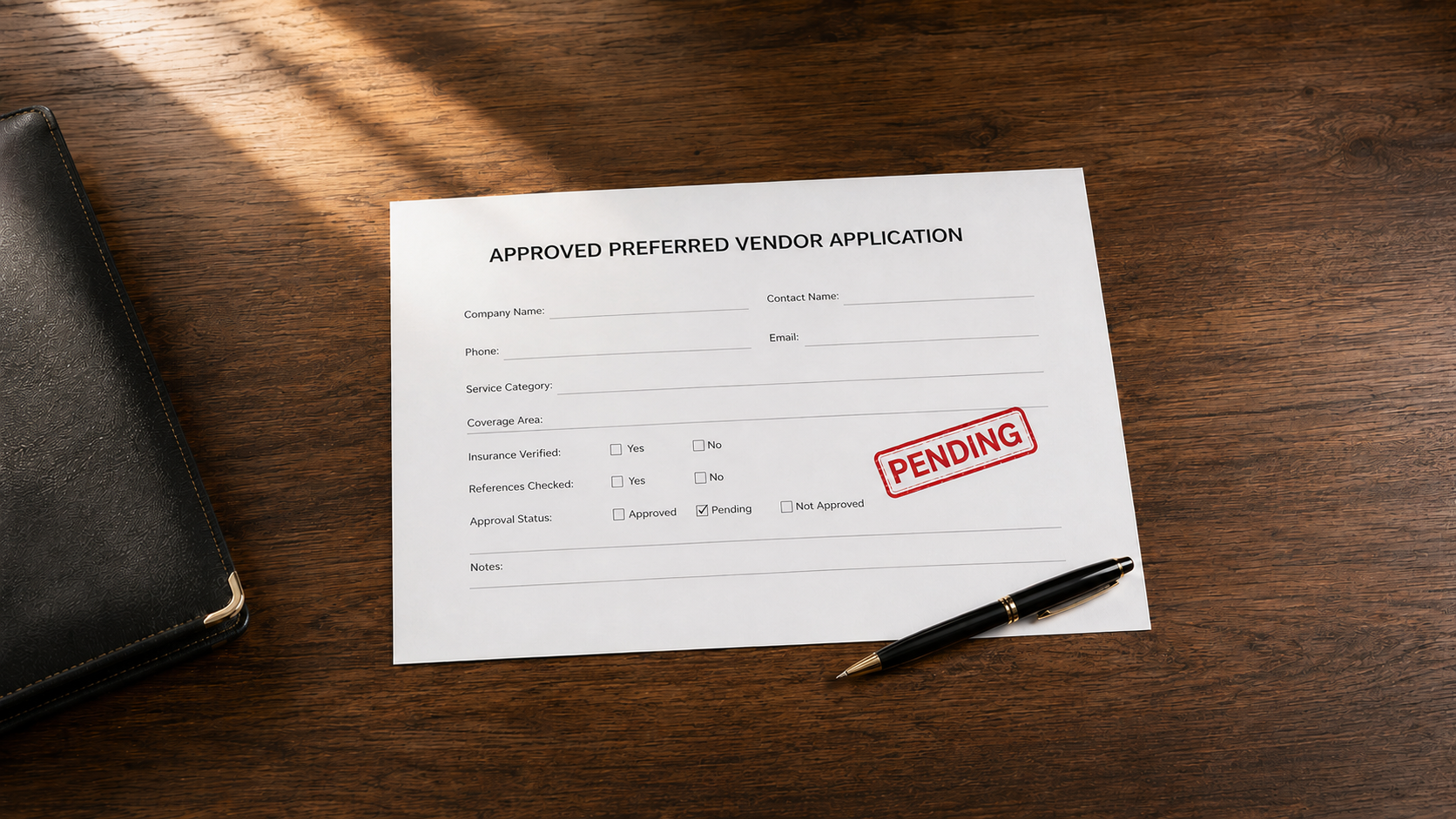
A public adjuster represents the policyholder, not the insurance company and not the contractor. The distinction matters. A roofer’s goal is to secure a construction project. A public adjuster’s role is to ensure the claim is properly prepared, documented, and negotiated under the terms of the insurance policy.
Key advantages of working with a public adjuster:
1. Policy Interpretation
Commercial policies are complex. Coverage depends on specific language, endorsements, and exclusions. A public adjuster interprets the policy to identify what is actually recoverable.
2. Damage Documentation
This goes beyond surface-level observations. It includes testing, mapping, and correlating damage with storm data.
3. Claim Strategy
The claim is built intentionally, aligning evidence with policy language. This is where many contractor-driven claims fall short.
4. Negotiation with the Carrier
Insurance companies have their own adjusters and engineers. A public adjuster operates at that same level, advocating for the policyholder.
5. Scope and Valuation Accuracy
Ensuring that the full extent of damage is accounted for, not just visible roof areas.
Why Relying Solely on a Roofer Can Be Risky
Roofers play an important role in the repair process, but when they attempt to manage the entire claim, several issues can arise:
- Limited understanding of policy language
- Focus on replacement rather than coverage eligibility
- Incomplete documentation that does not meet carrier standards
- Conflicts of interest between securing work and evaluating damage objectively
In many cases, claims presented solely by contractors are denied not because damage does not exist, but because it was not presented correctly.
Public Adjusters Offer A More Structured Approach
After a hail event, the difference between a smooth, well-supported claim and a prolonged dispute often comes down to process. Many commercial property owners move too quickly into repairs or rely on fragmented evaluations, which can weaken their position with the insurance carrier. A more disciplined, step-by-step approach ensures that the damage is properly evaluated, the policy is fully understood, and the claim is presented in a way that aligns with carrier expectations from the outset. For commercial property owners in Dallas–Fort Worth, Texas, and Oklahoma, a more effective approach typically looks like this:
- Independent evaluation of the property after a hail event
- Policy review to understand coverage parameters
- Professional documentation of damage across all roofing systems
- Strategic claim submission aligned with policy language
- Negotiation and resolution before construction begins
This sequence protects the owner’s financial position and reduces the risk of disputes.
Securing A Settlement Requires A Plan: Hire A Qualified Public Adjuster
Hail damage claims on commercial properties are technical, nuanced, and often contested. The size of the hail matters, but so does the age of the roof, the type of material, and how the damage is documented and presented. For multifamily investors, strip mall owners, and commercial property stakeholders, the goal is not just to get a claim approved. It is to ensure the property is restored properly without absorbing unnecessary financial loss. In high-risk hail regions like North Texas and Oklahoma, that outcome depends heavily on who is managing the claim and how it is being handled from the start.
If your property has suffered a severe storm loss or if you would like to know the historic hail impacts that may have occurred across your portfolio of properties, contact True View Commercial today for a no-cost consultation.