THE TAKEAWAYS
- Public adjusters work for the policyholder, not the insurance company.
- A public adjuster can help identify damage that may be missed during a standard inspection, including hidden water damage, smoke contamination, code upgrades, contents losses, and additional living expenses.
- Insurance claims depend heavily on documentation. If damage is not properly identified, estimated, and supported, it may not be included in the final settlement.
- Public adjusters can help reduce stress and increase settlements by handling claim communication, documentation, inspections, estimate reviews, and negotiations.
- For homeowners and business owners in Dallas-Fort Worth, San Antonio, Austin, and across Texas, a public adjuster can be especially helpful after larger or more complicated property losses such as fires, storms, hail damage, plumbing leaks, and commercial property claims.
Do Public Adjusters Really Help With Insurance Claims?
Insurance policies can be long, confusing, and full of language most homeowners do not deal with every day. After a fire, storm, plumbing leak, or major property loss, most people are not sitting down with a cup of coffee to read hundreds of pages of policy language. They are trying to figure out where they are going to live, how to protect their property, who to call, and how to get their life back to normal.
That is where the insurance claim process can become overwhelming; especially if the insured is being pulled every direction with conflicting information from contractors, mitigation companies, contents companies, or insurance company adjusters.
Damage is not always obvious. The first estimate is rarely accurate or even close to complete. The final settlement is often dependent upon incurred costs like building codes, depreciation holdback, or the contractor's overhead and profit. Also, some upfront items are unknown, such as hidden damage, contents losses, water damage, or extent of smoke damage.
This is where public adjusters come into the picture.
A public adjuster works for the policyholder, not the insurance company. Their job is to evaluate the damage, review the policy, prepare and document the claim, and negotiate with the insurance company on behalf of the insured.
So, do public adjusters actually help? In many situations, yes. Especially when the loss is large, complicated, or emotionally overwhelming, having an experienced claim professional on your side can make a real difference.
Public Adjusters Help Identify the Full Scope of Damage
One of the biggest reasons homeowners and business owners hire a public adjuster is to make sure the full scope of damage is identified and properly presented to the insurance company. Simply put, this directly correlates to how much money the insured receives for the claim.
Most people never file a large loss insurance claims in their lifetime. Perhaps they file a simple roof or automobile claim, but most people will never file a catastrophic claim like a residential fire. On the other hand, public adjusters handle claims every day. That experience matters because a property loss is rarely as simple as it looks during the first walkthrough.
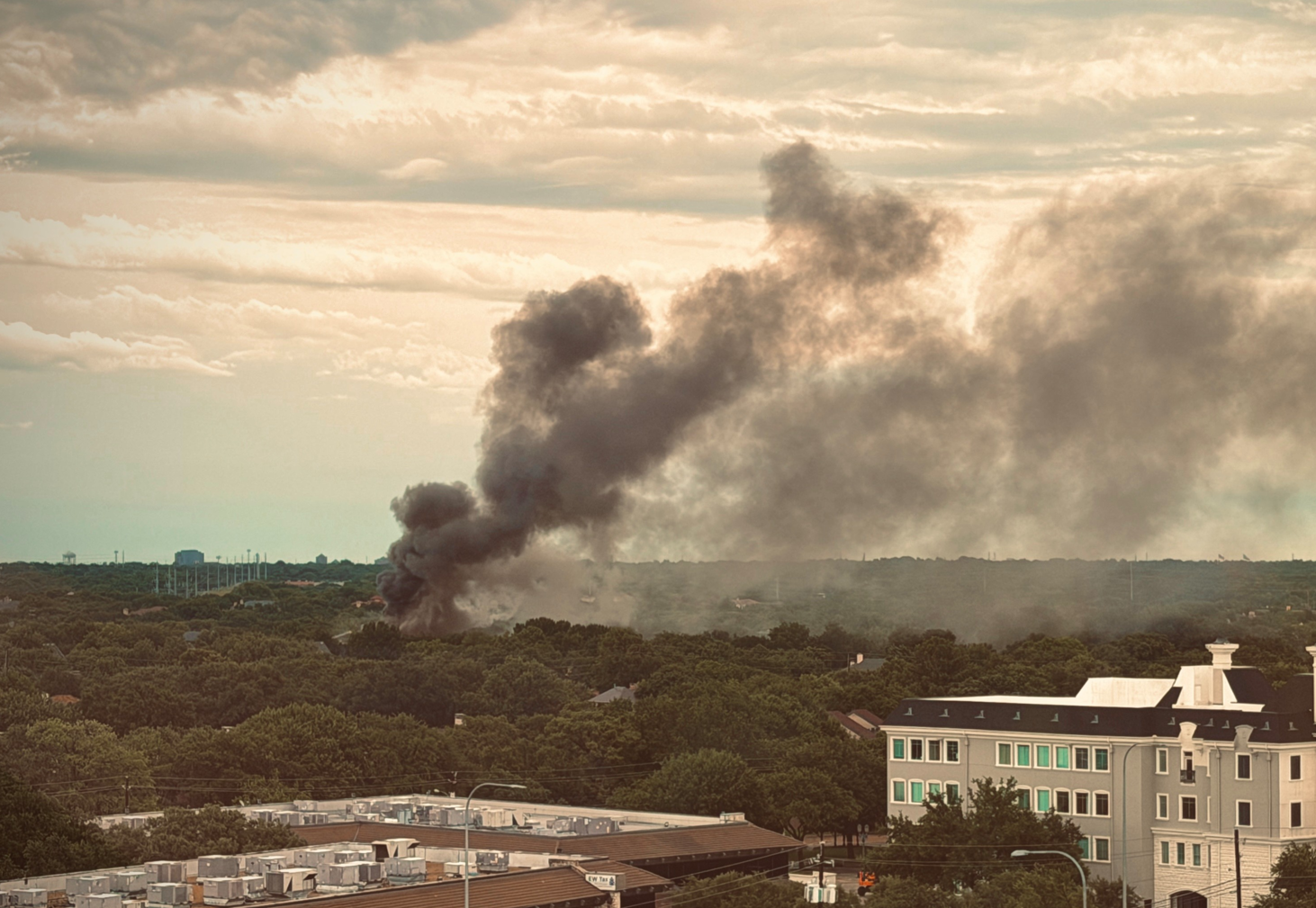
For example, after a kitchen fire, the obvious damage may be to the cabinets, appliances, drywall, and flooring near the source of the fire. But the real claim may involve much more. Smoke can travel through the HVAC system. Soot can contaminate rooms that were never touched by flames. Water used to extinguish the fire can create additional damage behind walls, under flooring, or inside cabinets. Building code requirements may also affect how the repairs need to be completed.
The goal of a public adjuster is not to inflate a claim. The goal is to make sure all covered damage is identified, documented, estimated, and supported.
That distinction is important.
Insurance claims are documentation driven. If damage is not found, photographed, estimated, explained, and supported, it may never become part of the settlement discussion. A public adjuster helps make sure the claim reflects the actual loss, not just what was visible during a brief initial inspection.
For homeowners in Dallas-Fort Worth, San Antonio, Austin, and across Texas, this can be especially important after fires, hailstorms, wind damage, plumbing failures, and large water losses. Texas properties are exposed to a wide range of risks, and many of those losses involve damage that is not immediately visible. Texas is a beautiful place to live, but we are subjected to some of the highest disaster rates in the country.
A More Complete Claim Will Lead to a Better Settlement
Many policyholders assume the insurance company will automatically find and include everything. In a perfect world, that would happen every time. In the real world, insurance claims often require a lot of back-and-forth.
An insurance company adjuster may inspect the property and prepare an initial estimate. That estimate may be fair in some areas and incomplete in others. Sometimes the issue is not bad faith or intentional underpayment. Sometimes the adjuster simply did not see everything, did not have enough documentation, or did not spend enough time at the property to capture the full scope due to tight schedule demands from high claim volume, or may lack the training needed to handle the claim as an expert.
A public adjuster approaches the loss from the policyholder’s side. They look at the structure, contents, policy benefits, repair requirements, code issues, and related damages to determine what should be included.
Imagine a homeowner in Dallas has a significant kitchen fire. The insurance company prepares an initial estimate for $45,000. At first, that may seem reasonable because it covers the obvious kitchen repairs. But after a more detailed inspection, the public adjuster identifies smoke contamination throughout the home, damage inside wall cavities, HVAC contamination, additional contents losses, and code-required upgrades.
The claim value may increase significantly because the full damage was documented and supported. That increase does not come from exaggeration. It comes from a more complete evaluation of the loss.
This is one of the clearest ways public adjusters can help. They know what to look for, how to document it, and how to present it in a way the insurance company can evaluate.
Public Adjusters Understand the Insurance Claim Process
Insurance policies are legal contracts. They contain duties, conditions, exclusions, limits, deadlines, endorsements, and coverage sections that can affect the claim. Most homeowners do not spend their free time reading insurance policies. Public adjusters do.
That knowledge becomes valuable because a claim is not just about the visible damage. It is also about understanding what benefits may be available under the policy and what must be done to preserve those benefits.
A property insurance claim may involve many issues at once; coverage analysis, inspections, repair estimates, contents inventories, temporary housing documentation, contractor coordination, proof of loss forms, requests for information, or filing for depreciation. Simply missing a deadline or failing to provide requested documentation can create delays and complications, not only with the recovery process, but with garnering settlement funds from the insurance company. In some cases, it can even affect the policyholder’s ability to recover certain benefits at all.
A public adjuster helps guide the policyholder through the process from start to finish. They help organize the claim, communicate with the insurance company, review estimates, gather documentation, and respond to claim-related requests.
This is especially helpful with larger losses like a residential fire. There may be separate issues involving structural repairs, smoke damage, contents, demolition, temporary housing, cleaning, storage, code upgrades, and reconstruction. Each part of the claim may need its own documentation.
Commercial property claims can be even more complex. A business owner may need to address building damage, equipment losses, inventory, tenant improvements, business interruption, extra expense coverage, and lost revenue calculations. At the same time, they may be trying to keep the business open or reopen as quickly as possible.
For business owners in Dallas-Fort Worth, Austin, San Antonio, and other Texas markets, the time burden alone can be significant. A public adjuster can help manage the claim while the owner focuses on operations, employees, customers, and recovery.
Public Adjusters Save Time and Reduce Stress
Settlement amount matters. There is no question about that. However, one of the most underrated benefits of hiring a public adjuster is the reduction in stress and time expenditure.
After a major property loss, most people are already dealing with more than enough. A homeowner may be trying to find temporary housing, replace essential belongings, coordinate with contractors, manage their family, and continue working. A business owner may be trying to reopen, protect revenue, communicate with employees, and keep customers informed.
Adding a complicated insurance claim on top of that can become exhausting. A public adjuster steps in as the policyholder’s representative. We cannot stress the importance of finding a qualified public adjuster that has a solid reputation built on professionalism, trust, and follow-through. When you truly trust your public adjuster and feel confident that they are acting in good faith solely for your benefit, the daily burdens of the claim can rest on their shoulders with little to no worry. They can meet with insurance representatives, prepare documentation, review estimates, track claim progress, respond to requests, and negotiate disputed items.
Instead of spending hours each week trying to understand policy language, estimate line items, repair scopes, and claim procedures, the policyholder has someone experienced managing the process. That does not mean the homeowner is removed from the claim. The policyholder still makes important decisions. But they are not left to navigate the process alone.
For many families and business owners, that support is just as valuable as the financial side of the claim.
Negotiation Experience Matters
Insurance claim negotiations are not always confrontational, but they are often technical.
Disagreements may come up over the scope of repairs, pricing, depreciation, whether an item should be cleaned or replaced, whether code upgrades apply, whether damage is related to the loss, or whether certain policy benefits are available. Insurance company adjusters deal with claims regularly. Most policyholders do not. That imbalance can make the process frustrating. A homeowner may know something is wrong with the estimate but not know how to explain it, document it, or challenge it effectively.
A public adjuster speaks the language of insurance claims. They understand estimate formats, repair scopes, documentation standards, policy provisions, and negotiation strategy. They can explain why additional items should be included and provide support for the requested changes. These negotiations are important and necessary. The process of negotiating may feel adversarial and uncomfortable to homeowners, and rightfully so. Public adjusters and insurance company adjusters routinely negotiate, and it stays widely courteous and professional.
A seasoned public adjuster will routinely negotiate openly with insurance company adjusters. In some cases, the negotiations may go more smoothly or be taken more seriously if the public adjuster, or the public adjusting firm, has a reputation in the industry as being an honest, accurate, and fair public adjuster.
This can help move the claim forward in a more organized and professional way.
Are Public Adjusters Worth It?
For a small claim, some homeowners may feel comfortable handling the process themselves. If the damage is minor, the insurance company’s estimate seems complete, and the claim is moving smoothly, a public adjuster may not be necessary.
But for larger or more complicated losses, many policyholders find significant value in professional representation.
A public adjuster may be especially helpful when the damage is substantial, the claim involves fire or smoke damage, multiple coverages apply, the insurance company’s estimate seems too low, the claim is taking longer than expected, business interruption is involved, or the policyholder simply does not have the time to manage the process.
Every claim is different. The decision usually comes down to the size of the loss, the complexity of the damage, and the policyholder’s comfort level dealing with the insurance company.
The larger and more complicated the claim, the more important proper documentation and negotiation become.
What Texas Homeowners and Business Owners Should Know
Property owners in Texas face a wide variety of insurance claims every year. In Dallas-Fort Worth, hail and wind claims are common. In Austin and San Antonio, property owners may deal with storm damage, plumbing leaks, fires, and commercial property losses. Across the state, severe weather and unexpected property damage can create complicated claim situations.
The location may change, but the principle is the same.
The insurance claim process is often more complex than people expect. The first estimate may not include everything. The policy may contain benefits the policyholder does not realize are available. The damage may extend beyond what is visible on the surface. Having a professional who works exclusively for the policyholder can help make sure the claim is properly documented, the policy benefits are reviewed, and the insurance company receives a complete presentation of the loss.
For homeowners and business owners in Dallas-Fort Worth, San Antonio, Austin, and throughout Texas, understanding your options before or shortly after a loss can make a meaningful difference.
So, do public adjusters really help with insurance claims? The short answer is, "Yes".
A public adjuster can help identify the full scope of covered damage, prepare stronger documentation, explain the claim process, review insurance estimates, communicate with the insurer, and negotiate disputed items. Just as importantly, they can reduce the stress and time burden on the policyholder during an already difficult situation.
The value of a public adjuster usually comes down to three main things:
- better documentation
- deeper claim expertise
- and experienced representation.
For homeowners and business owners across Dallas-Fort Worth, Austin, San Antonio, and the rest of Texas, the public adjusters at True View Commercial can provide guidance when the claim is too large, too complicated, or too important to handle alone.
We proudly help policyholders navigate complex property insurance claims throughout Texas, providing professional representation and claim guidance from the initial loss through final settlement. If you have experienced a severe loss, contact our office today for a no-cost claim consultation.