Happy Thanksgiving from True View Commercial - Who’s Watching The Stove?
THE TAKEAWAYS
- Thanksgiving is the busiest day of the year for home cooking fires.
- The stovetop deserves your attention even when the turkey is in the oven.
- Refined peanut oil is a good choice for frying. If the oil starts smoking, turn off the heat.
- Keep a metal lid beside the stove. Never put water on burning oil.
- After a fire, document where the smoke traveled as well as what the flames burned.
Somebody has to answer the front door. Somebody has to find the extra chairs. And if the Cowboys score, half the kitchen is going to want to see the replay. If you’re the one with a pan of oil on the stove, let somebody else tell you what happened.
According to the National Fire Protection Association, U.S. fire departments respond to more than three times as many home cooking fires on Thanksgiving as they do on an average day. Christmas Day and Christmas Eve come next, both at nearly twice the daily average. And while the turkey gets most of our attention, the most common place for a home cooking fire to start is the range or cooktop, which accounts for 51% of incidents. In about two-thirds of home cooking fires, food or another cooking material is the first thing to catch fire. Unattended cooking is the leading contributing factor.
So give one person the stove. If you need to step away while frying, turn the burner off or hand the job to someone who knows they’ve just been put in charge. A kitchen full of people can still have an unattended pan.
Which Cooking Oils Burn The Easiest?
Unrefined flaxseed oil can start smoking around 225°F. Refined peanut oil typically starts smoking around 450°F. If you’re frying at 350°F, the flaxseed oil is already well past its smoke point, while the peanut oil gives you some room to work.
Save the flaxseed oil for salad dressing... For frying, refined peanut or refined sunflower oil is a better fit. The word refined matters. Processing affects how an oil behaves under heat, so two bottles made from the same seed can have different smoke points.
So, when does the oil actually catch fire?
- The smoke point is when the oil starts giving off visible smoke as it breaks down:
- The flash point is when enough vapor has collected above the oil for a nearby flame or spark to ignite it briefly.
- The autoignition point is when those vapors can ignite from heat alone.
That last one (autoignition point) is why you can have a grease fire on an electric stove. A smoke-point chart helps you choose an oil for dinner. It can’t tell you exactly when your pan will catch fire. If the oil starts smoking, turn off the burner and leave the pan where it is to cool.
What To Do If A Cooking Fire Starts
If flames are spreading, smoke is building, or you’re unsure you can act safely, FEMA recommends getting everyone outside, closing the door behind you if you can, and calling 911 from outside. Keep a clear exit behind you.
Microwave. Press stop if you can safely reach the controls. Keep the door closed. Opening it to pull out a burning container lets fresh oxygen in. If smoke or flames continue, get outside and call 911. Have the microwave checked before using it again.
Stove. For a small fire contained in a pan, slide a metal lid or baking sheet over it and turn off the burner if you can do so safely. Leave it covered until cool. Never carry a burning pan to the sink. Water hitting hot oil rapidly turns to steam and can throw burning oil across the kitchen and onto you. If flames have reached the cabinets or range hood, get out and call 911.
Oven. Turn it off if you can safely reach the controls and leave the door shut. The natural impulse is to open it and see how bad it is. Keep it closed. If the fire continues or smoke escapes into the room, leave and call 911.
Deep fryer. If the oil ignites, leave the fryer where it is. Shut off the heat only if the control is safely within reach. Never add water or try to empty the oil. With an outdoor turkey fryer, get everyone clear and call 911. If you’re planning to fry a turkey, a partially frozen bird and an overfilled pot are two ways to send hot oil over the rim and onto the burner. Fully thaw and dry the bird, follow the manufacturer’s fill limit, and keep an outdoor fryer away from the house and garage.
Grill. For a small grease fire inside a gas grill, turn off the burners if the controls are safe to reach. On a charcoal grill, close the lid if you can do so safely. Never pour water on burning grease. If fire involves the gas hose or propane tank, leave the tank and its valve alone, move everyone away, and call 911.
The Fire Stayed In The Kitchen. Did The Soot?
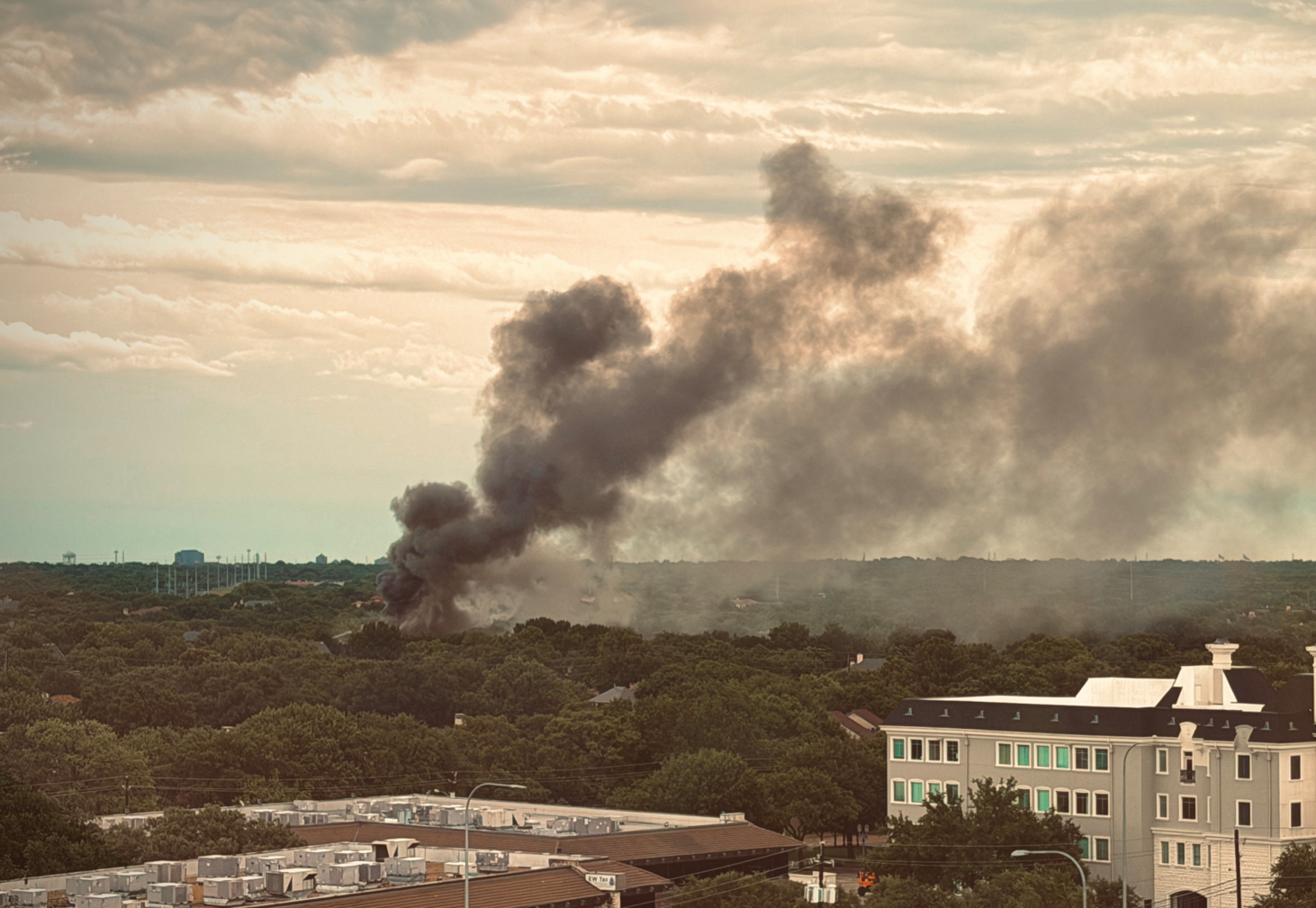
Let’s suppose the fire department gets there quickly. The cabinets above the stove are charred, the range hood is damaged, and there’s a dark stain on the ceiling. Those are the easy things to put in an estimate. What about the upholstered chairs in the next room? What about the return register down the hall if the HVAC system was running? Those are questions worth answering before anyone decides where the repairs end.
Once the fire department says it’s safe to enter, photograph each affected room before cleanup. Get a wide shot first so someone looking at the claim six months from now can tell where they are. Then photograph the residue or damage up close. Notify your carrier promptly, save receipts for emergency work and temporary lodging, and coordinate with the adjuster before discarding damaged belongings when it’s safe to do so.
How A Public Adjuster Helps
A public adjuster represents you in the insurance claim. At True View Commercial, we handle millions of dollars in house fire claims each year. Part of that work is figuring out what a repair estimate actually accounts for. If it includes painting the kitchen but you can still smell smoke in a bedroom, we document the concern, look at the path the smoke may have taken, and bring in a qualified environmental professional when the extent of contamination is in question. Those findings help establish which surfaces and belongings can be cleaned, what needs replacement, and why.
On a widespread fire, that work also includes developing a room-by-room repair scope, preparing the contents inventory, comparing our estimate with the carrier’s, and documenting additional living expenses if the home is uninhabitable and the policy provides coverage. If you’re looking at an estimate and can’t tell whether it addresses the soot beyond the kitchen, call True View Commercial. That’s a specific question we can help you answer.
Finally, Happy Thanksgiving!
To the families who have trusted us with their homes, and to the people who will spend this Thursday answering the call when somebody else needs help, thank you. From everyone at True View Commercial, happy Thanksgiving!. Now, who is doing the dishes?